
Visiting a nomadic family is not only about sharing food; it is about respect, community, and offering what one has to others.
For Western visitors, it is important to understand that hospitality in Western Mongolia is far more than simple politeness. Among the Kazakh nomads of the Altai Mountains, welcoming guests is a deeply rooted cultural value. Visiting a nomadic family is not only about sharing food; it is about respect, community, and offering what one has to others.
The diet of Kazakh nomads is closely tied to the animals they raise. Traditionally, families rely on:
As a result, much of their diet consists of dairy products and meat.
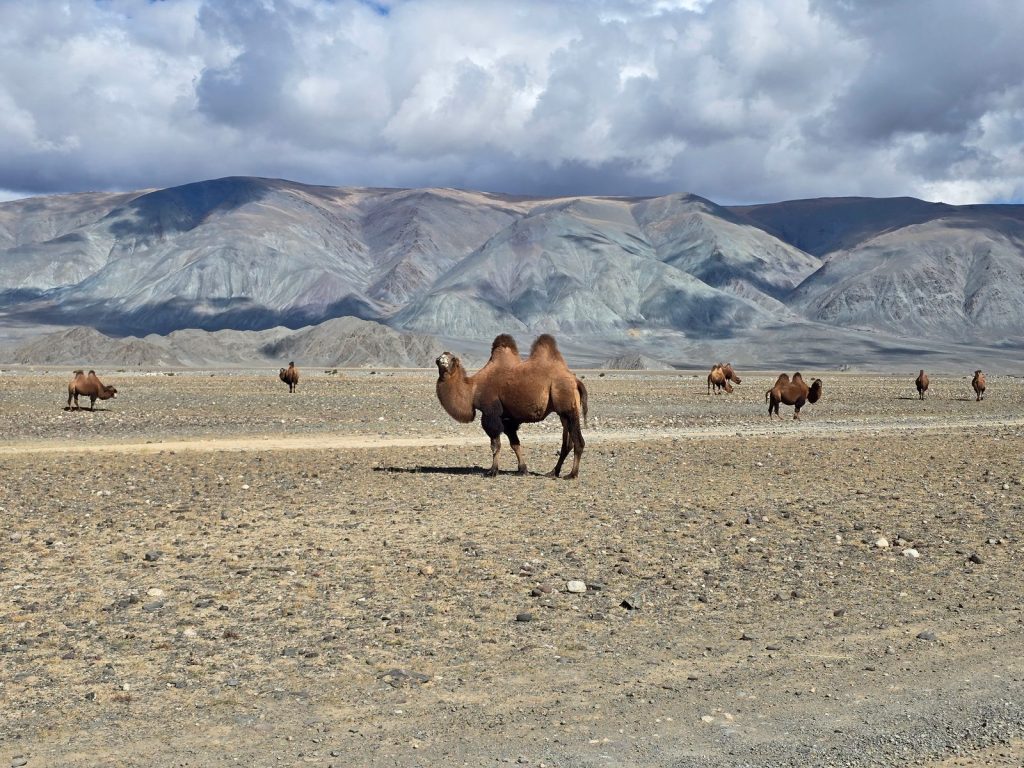
Dairy foods form the foundation of many meals. Common products include:
Many Western visitors find the flavors surprising, particularly the combination of salty tea and dairy.
Meat plays an important role, especially when guests are visiting or during celebrations. Commonly served meats include:
The food is usually prepared simply, with few spices. The emphasis is on the quality and freshness of the ingredients.
Many families bake their own bread or serve traditional pastries such as:
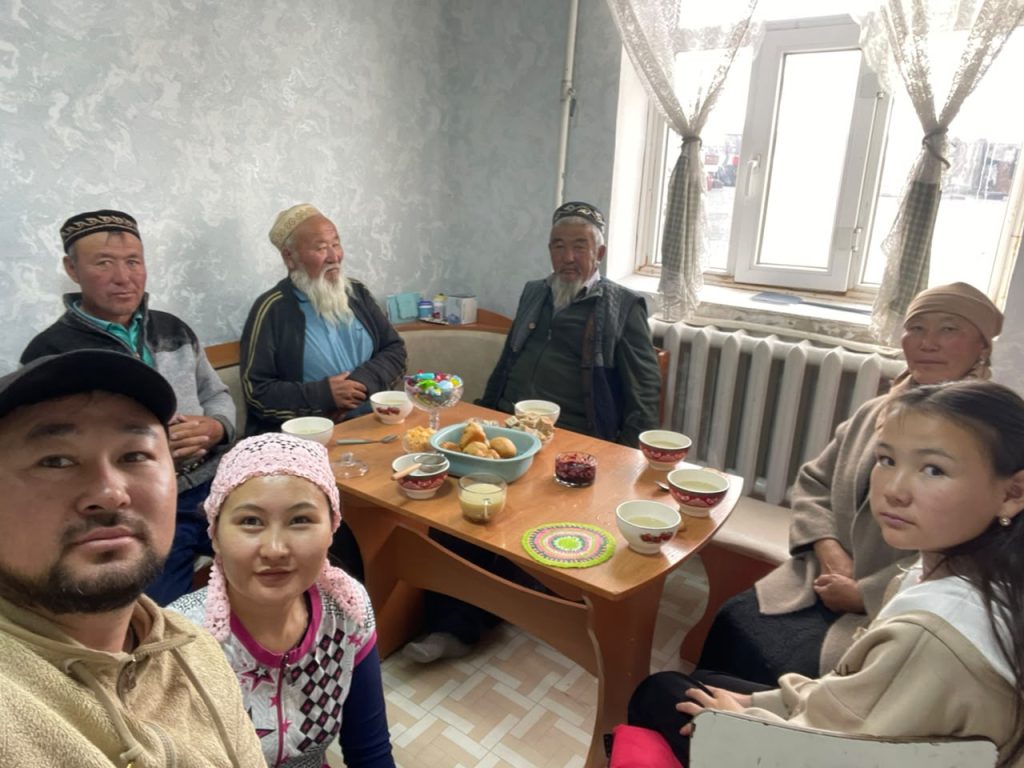
Guests are almost always invited inside, even if the family has never met them before.
Visitors are typically offered:
Within minutes, a table may be filled with food.
For the host family, making a guest feel welcome is extremely important. Completely refusing everything that is offered may be perceived as distant or impolite.
You do not need to eat a large amount, but it is appreciated if you at least taste what is offered.
There are several unwritten customs that visitors should be aware of.
Wait to see what your hosts do or politely ask. Customs can vary from family to family.
Accepting a cup of tea is often more important than whether you are actually thirsty. It is a sign of respect and appreciation.
Or with both hands. This is considered more polite than using only your left hand.
Older family members hold an important place within Kazakh society. Greet them first and listen attentively when they speak.
In many Central Asian cultures, feet are considered less clean and should not be directed toward people or respected possessions.
Particularly saddles, hunting equipment, and household items should be treated with respect.
Nomadic families are often proud of their way of life. Questions about:
are usually welcomed and appreciated.
Many families possess relatively few material goods by Western standards, yet are extraordinarily generous. Avoid comparing their lifestyle to what may be considered “modern” or “developed” elsewhere.
You do not need to fully understand every tradition in order to respect it. Many customs have been passed down through generations and remain an important part of family identity.
Life in the Altai follows the rhythm of nature, livestock, and the seasons. A visit may take longer than expected because tea is being served, stories are being shared, or relatives stop by. This is not a delay; it is part of the experience.
Many travelers assume that nomads are most impressed by money, technology, or luxury goods. In reality, other qualities are often valued far more:
A simple thank you, a warm smile, or sending photographs afterward can often mean more than an expensive gift.
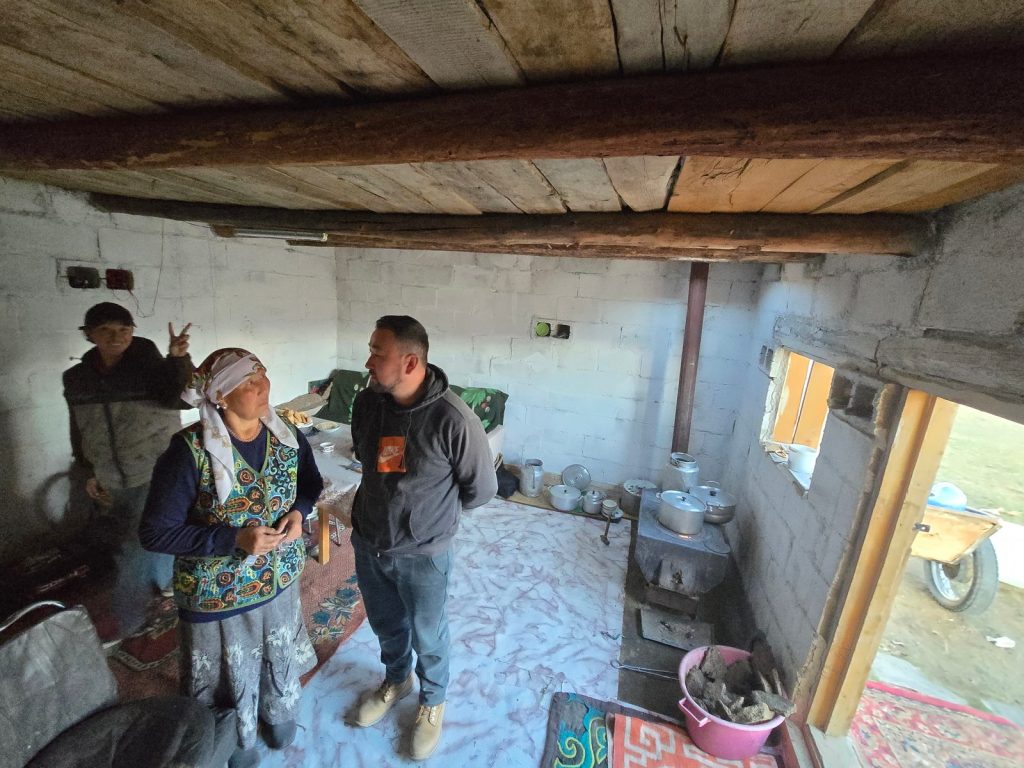
When you visit a Kazakh nomadic family, you are not merely a tourist. For a short time, you become a guest in their home. The best approach is therefore not to behave as a customer, but as a respectful and curious visitor.
Travelers who embrace this mindset often discover that the greatest treasure of Western Mongolia is not its mountains, glaciers, or golden eagles. It is the warmth, generosity, and enduring traditions of the people who call the Altai Mountains home.
There is no obligation, no complicated booking process, and no call center. Just a direct conversation with someone who lives here.