The largest ethnic minority in Mongolia, with their own language, traditions, and cultural identity.
When travelers think of Mongolia, they often picture the Mongolian nomads of the vast steppes. Yet in the far western corner of the country, in the province of Bayan-Ölgii, lives a remarkable community: the Mongolian Kazakhs. They are the largest ethnic minority in Mongolia and have preserved their own language, traditions, and cultural identity.
The Kazakhs settled in the Altai Mountains more than a century ago. Although they are citizens of Mongolia, many Kazakhs maintain a strong connection to their Turkic roots, language, and traditions. As a result, a visit to Bayan-Ölgii can sometimes feel like stepping into a completely different world from the rest of Mongolia.
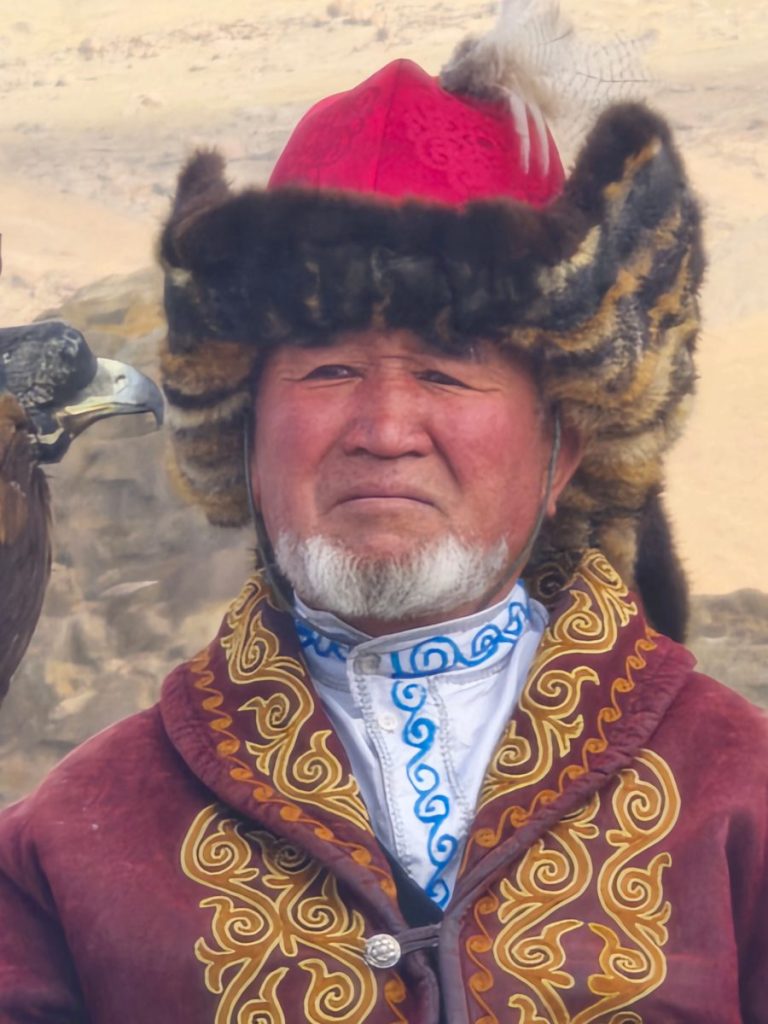
Kazakh culture revolves around family, hospitality, respect for elders, and a deep connection to the nomadic way of life. The famous tradition of eagle hunting, for which Western Mongolia is known worldwide, is practiced almost exclusively by Kazakhs.
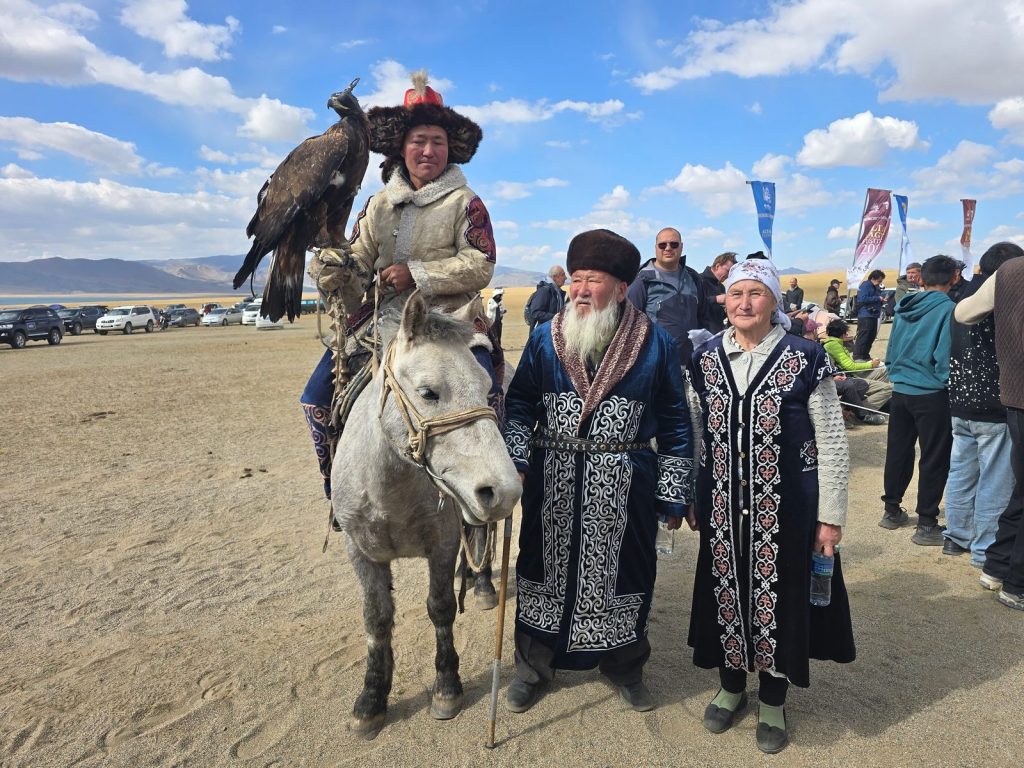
The relationship between Mongols and Kazakhs is generally positive. Both communities have lived side by side for generations and share a history of nomadic herding, livestock husbandry, and adapting to life in a sometimes harsh environment.
Despite this shared history, clear cultural differences remain. Kazakhs speak their own language and celebrate their own festivals, music, clothing traditions, and cuisine. Many Kazakhs are Muslim, while the majority of Mongols are traditionally Buddhist or do not actively practice a religion.
Despite these differences, mutual respect is common. In larger towns such as Ölgii, it is normal to hear both Mongolian and Kazakh spoken in everyday life.
Many visitors are surprised to discover that in parts of Western Mongolia, Kazakh is more widely spoken than Mongolian. In rural areas, especially among older nomads, Kazakh is often the primary language.
Younger generations usually speak both Kazakh and Mongolian, while guides such as Seku also speak English. This makes him a valuable bridge between visitors and local families. Without a local guide, conversations with nomadic families can sometimes be difficult due to the language barrier.
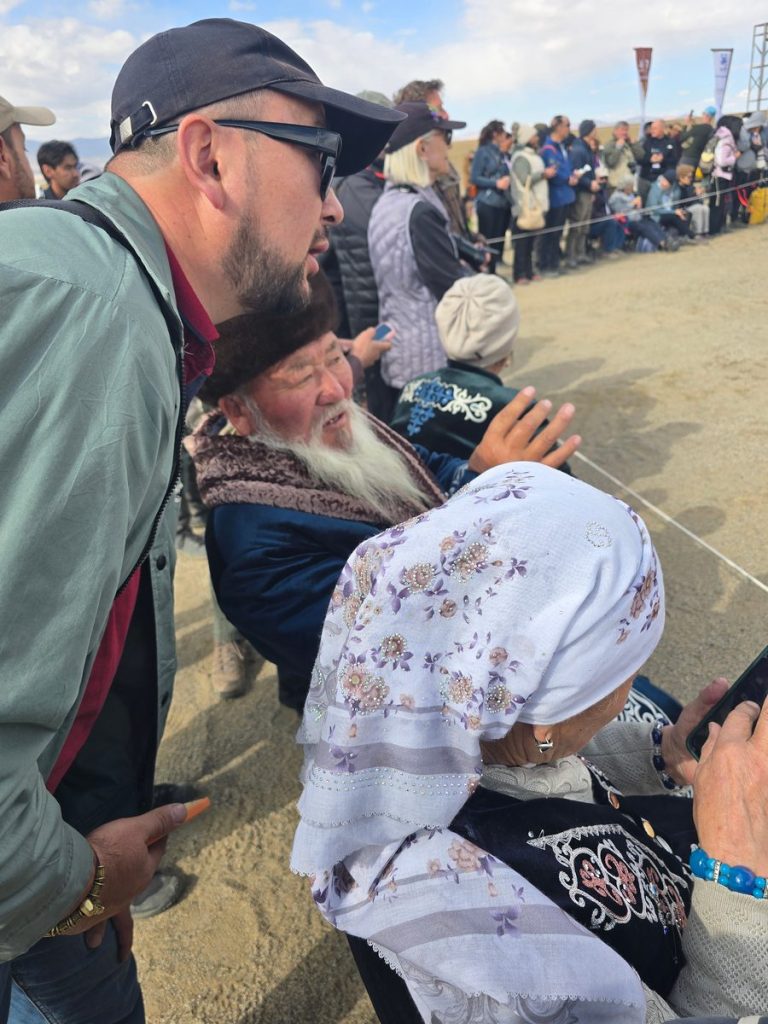
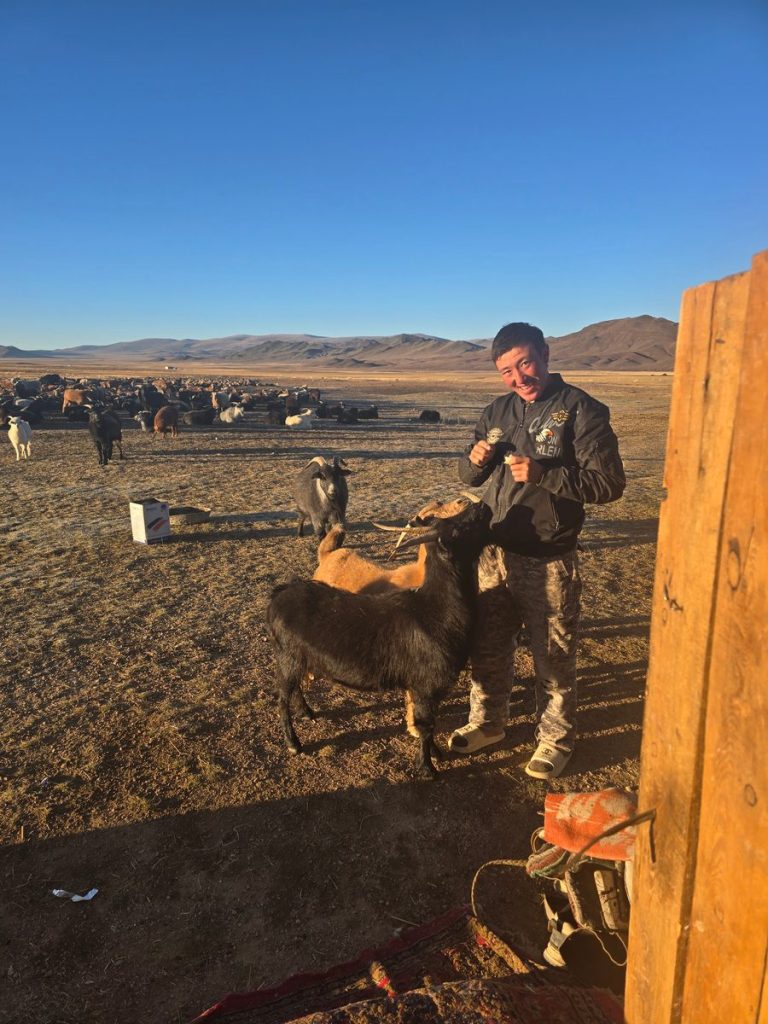
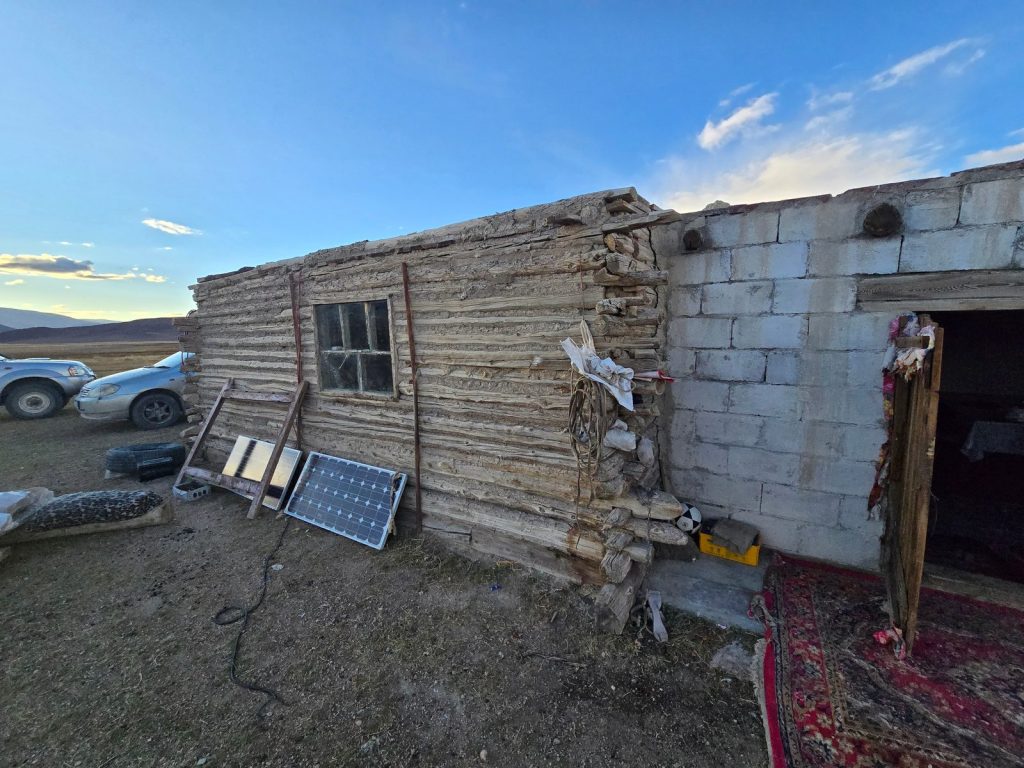
Although modern technology is gradually finding its way into the Altai region, many families still live according to centuries-old nomadic traditions.
During the summer, families move with their herds to lush mountain pastures. In winter, they relocate to sheltered valleys. Their lives revolve around sheep, goats, horses, camels, yaks, and golden eagles.
Guests are almost always welcomed with tea, bread, cheese, and other local products. Hospitality is considered an important virtue. It is not uncommon for visitors to be invited to share a meal, even if the hosts have never met them before.
Many travelers use the words yurt and ger interchangeably, but there are subtle differences.
Ger is the Mongolian word for the traditional circular nomadic dwelling. The interior is often relatively simple, practical, and strongly focused on the daily needs of Mongolian herders.
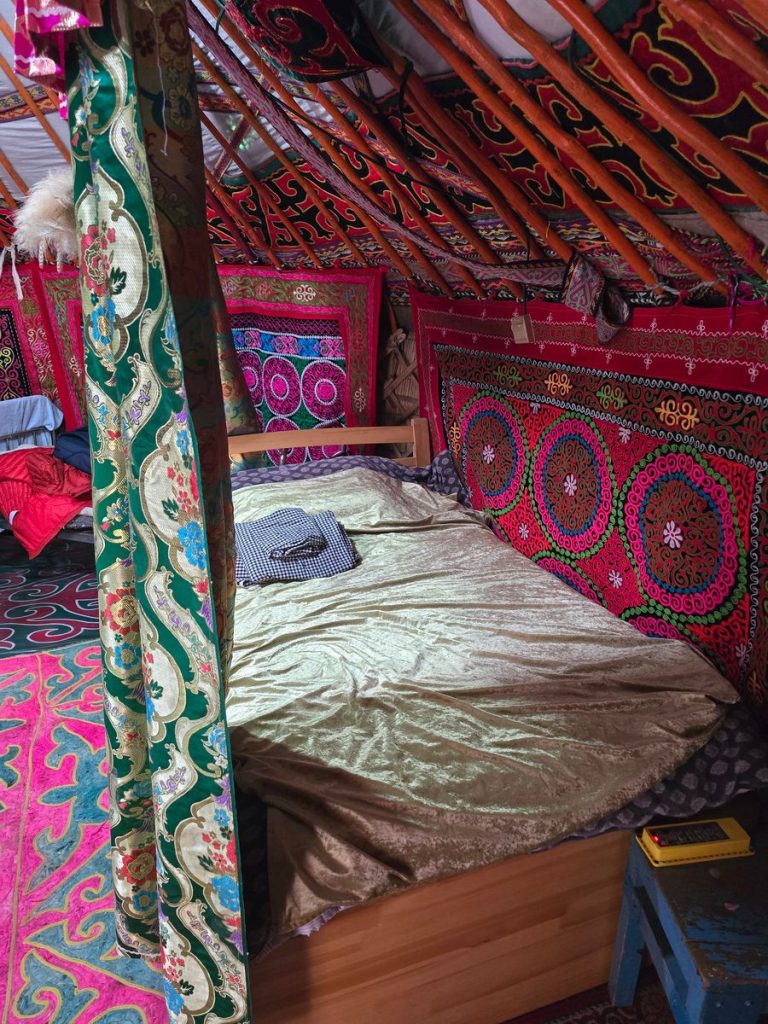
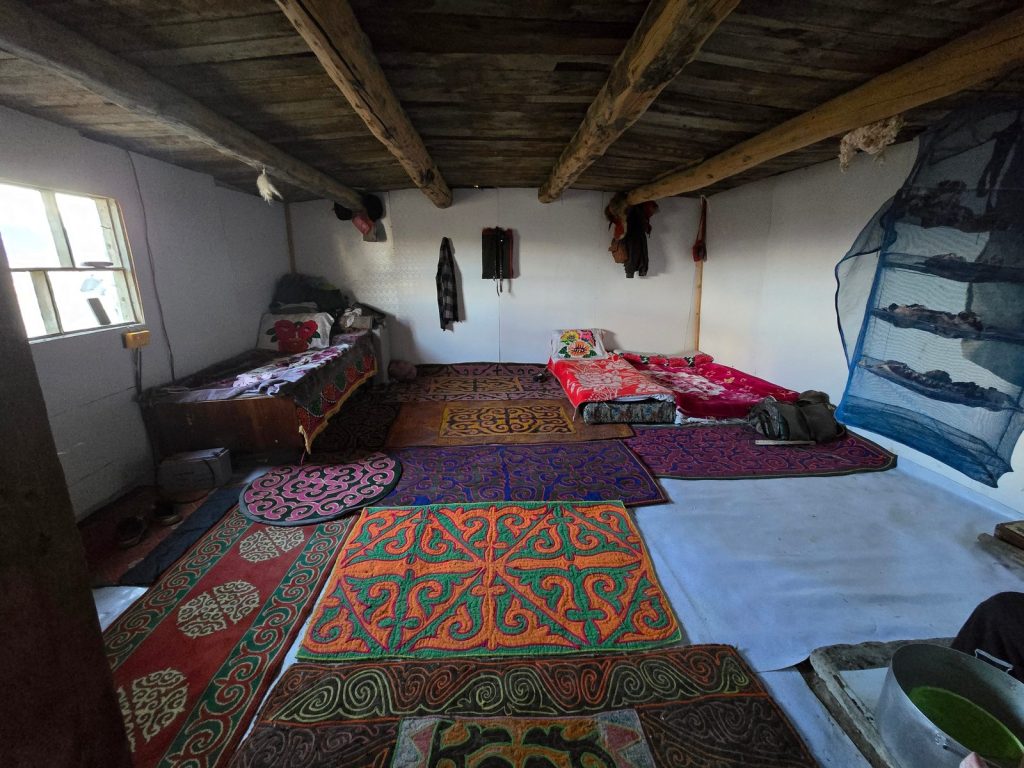
Yurt is the Turkic and Kazakh word for essentially the same type of structure, but the interior decoration often differs. Kazakh yurts are known for their colorful wall hangings, richly decorated carpets, embroidered textiles, and decorative wooden furniture. As a result, the interior often feels warmer and more elaborately decorated.
The differences are therefore found less in the construction of the home and more in the cultural decoration and symbolism. As soon as you step inside a Kazakh yurt, you can immediately see the influence of centuries-old Turkic traditions.
A visit to Western Mongolia is much more than a journey through spectacular landscapes. It is an opportunity to experience a unique culture that stands at the crossroads of Mongolian, Turkic, and nomadic traditions.
With someone like Seku as your guide, you do not just discover the breathtaking scenery of the Altai Mountains. You also gain access to local families, personal stories, and traditions that remain hidden from most travelers. It is these authentic encounters that make a visit to Western Mongolia truly unforgettable.
There is no obligation, no complicated booking process, and no call center. Just a direct conversation with someone who lives here.